
Senior Care at Home: When Is the Right Time to Get Professional Help?
Senior Care at Home: When to Get Professional Help: Discover when your loved one truly needs professional senior care at home. Learn about 24-hour home care, in-home nursing, companion care & the best home care services in Vancouver. Get expert help today.
Introduction
As people grow older, everyday tasks that once felt simple—such as bathing, cooking, remembering medications, or even walking safely—can become increasingly difficult. For families, one of the hardest decisions is knowing when it is time to get professional help. That is where senior care at home becomes an essential solution.
With professional home care assistance, seniors can continue living in the place they love while receiving the care they need to stay safe, comfortable, and independent.
What Is Senior Care at Home?
Senior care at home provides personalized support for older adults in their own homes instead of a facility. Services can range from basic personal care services to advanced in-home nursing and 24-hour home care.
This includes:
- Elderly caregiving
- Companion care
- In-home nursing
- Respite care
- 24-hour home care
This flexible approach adapts as health needs change, ensuring long-term comfort and safety.
Senior care at home is a personalized care solution that allows older adults to receive professional support while continuing to live in the comfort of their own home.
It includes a wide range of services such as personal care services, companionship, medication reminders, and in-home nursing when medical attention is needed. This type of care is designed to help seniors stay safe, independent, and emotionally healthy without moving to a nursing facility.
Caregivers assist with daily activities like bathing, dressing, meal preparation, and mobility. Companion care also helps reduce loneliness and depression by providing social interaction and emotional support.
For seniors with higher needs, 24-hour home care ensures constant supervision and safety. Senior care at home is flexible and can be adjusted as health conditions change. Families can choose part-time, full-time, or live-in care based on their loved one’s needs. This approach offers a higher quality of life while giving families peace of mind.
When Is It Time for Home Care Assistance?
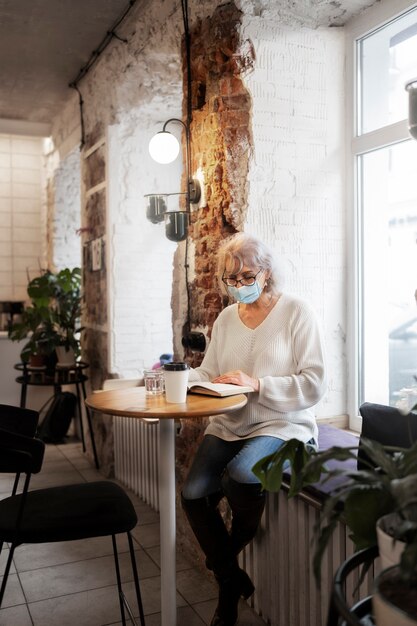
It is time to consider home care assistance when an older adult begins to struggle with daily activities such as bathing, dressing, cooking, or moving safely around the home
. Frequent falls or unexplained bruises are serious warning signs that professional support is needed to prevent injuries. Memory loss, confusion, or forgetting medications can lead to dangerous situations, making senior care at home essential for safety and routine.
Changes in personal hygiene or a messy living space may indicate that basic self-care has become too difficult.
Poor eating habits or noticeable weight loss suggest that the senior may need help with meal preparation and nutrition. Social withdrawal and loneliness are also important signs, as emotional health plays a big role in overall well-being.
Chronic illnesses that require monitoring or medical treatment often require in-home nursing. Family caregiver exhaustion is another key factor—when family members feel overwhelmed, respite care and professional help become necessary.
Behavioral changes such as anxiety, depression, or irritability can point to unmet physical or emotional needs. When any of these issues appear, getting professional home care early can greatly improve safety, comfort, and quality of life.
Many families delay seeking home care services in Vancouver, hoping they can manage alone. However, common warning signs include:
- Difficulty with bathing, dressing, or walking
- Memory loss or confusion
- Frequent falls
- Missed medications
- Poor nutrition
- Isolation or depression
These signs mean professional elderly caregiving is needed.
Why Senior Care at Home Is Better Than Facilities
Senior care at home allows older adults to stay in a familiar and comfortable environment, which greatly reduces stress and confusion compared to moving into a facility. Unlike nursing homes, home care provides one-on-one attention tailored specifically to the senior’s needs.
This personalized approach improves safety, medication management, and overall well-being. Seniors also experience fewer infections and health risks when they remain at home. Emotional health improves because they stay close to family, friends, and their community. Home care is flexible, allowing families to adjust services as needs change.
Daily routines are respected instead of being forced into a facility schedule. Seniors also maintain more independence and dignity. Family members can remain involved in the care process. For many families, senior care at home offers better quality of life at a more affordable cost.
Compared to nursing homes, senior care at home offers:
- One-on-one attention
- Familiar surroundings
- Lower risk of infections
- Personalized schedules
- Emotional comfort
For families searching for the best home care near me, home-based care is often the safest and most affordable option.
Types of Home Care Services
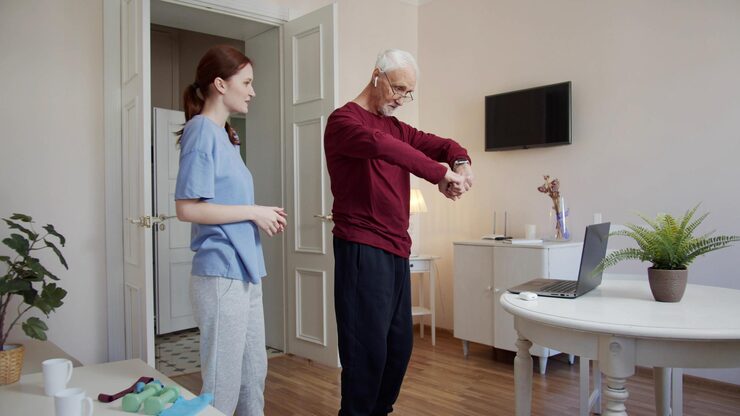
Home care services include a wide range of support options designed to meet the different needs of seniors. Personal care services help with daily activities such as bathing, dressing, grooming, and mobility. Companion care provides emotional support, conversation, and help with meals and errands to reduce loneliness.
Elderly caregiving offers full daily assistance, including safety supervision and medication reminders. In-home nursing delivers professional medical care such as wound care, injections, and monitoring chronic conditions. 24-hour home care ensures constant supervision for seniors with dementia or serious health risks.
Respite care gives family caregivers temporary relief while professionals take over caregiving duties. Some services also include physical assistance, light housekeeping, and transportation. Care plans can be customized based on changing health needs. These services help seniors stay safe, healthy, and independent at home.
Help with hygiene, grooming, dressing, toileting, and mobility.
Companion Care
Provides social interaction, emotional support, meal preparation, and help with errands.
Elderly Caregiving
Comprehensive daily support for safety, nutrition, medication reminders, and mobility.
Medical care such as wound treatment, injections, monitoring chronic conditions, and post-surgery care.
24-Hour Home Care
Ideal for seniors with dementia, Alzheimer’s, or high fall risk who need continuous supervision.
Respite Care
Short-term professional care that allows family caregivers to rest and recover.
How Home Care Improves Long-Term Health Outcomes
One of the greatest benefits of senior care at home is long-term stability. With consistent home care assistance, seniors are more likely to follow medication schedules, eat balanced meals, and maintain safe daily routines. This dramatically reduces emergency hospital visits and improves overall health.
Trained caregivers notice early signs of problems such as dehydration, infection, or cognitive decline, allowing families to take action before serious complications occur.
Emotional Well-Being Through Companion Care
Loneliness is a major health risk for seniors. Companion care provides meaningful interaction, reducing anxiety, depression, and memory decline. This emotional support improves motivation, sleep quality, and overall happiness.
How Respite Care Supports Families
Family caregivers often suffer burnout. Respite care allows them to take a break while knowing their loved one is being cared for by professionals. This creates a healthier, more sustainable caregiving environment.
In-Home Nursing for Medical Stability
For seniors with chronic conditions or recovering from surgery, in-home nursing delivers hospital-level care in a familiar environment. Nurses monitor vital signs, manage medications, and provide specialized treatments safely at home.
In-home nursing provides professional medical care for seniors who need more than basic daily assistance but do not require hospitalization. Licensed nurses can manage chronic conditions such as diabetes, heart disease, and high blood pressure directly in the home.
They provide services like wound care, injections, IV therapy, and post-surgery recovery support. In-home nursing also ensures medications are taken correctly and on time, reducing the risk of complications. Nurses monitor vital signs and quickly identify any changes in health before they become serious.
This type of care helps prevent unnecessary hospital visits and promotes faster recovery. Seniors feel more relaxed and comfortable receiving medical care in a familiar environment. Families also gain peace of mind knowing their loved one is being monitored by trained professionals. In-home nursing plays a key role in maintaining long-term medical stability and overall well-being.
Why 24-Hour Home Care Can Be Life-Saving
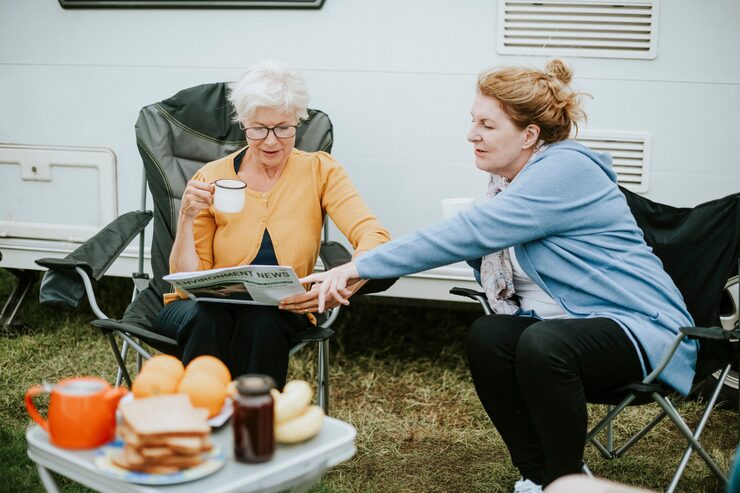
Seniors with dementia or high fall risk need constant supervision. 24-hour home care prevents accidents, wandering, and emergencies while giving families peace of mind.
Why Vancouver Families Choose Home Care
The demand for home care services in Vancouver continues to grow as families seek personalized, culturally sensitive, and flexible care. Senior care at home allows seniors to remain connected to their community while receiving professional support.
How to Find the Best Home Care Near Me
When searching for the best home care near me, choose a provider that offers trained caregivers, personalized care plans, emergency support, and nursing services.
Strong Call to Action
Give Your Loved One the Care They Deserve
If you see signs of decline, do not wait for a crisis.
📞 Contact our Vancouver home care team today
🏠 Get a free in-home assessment
💙 Experience the safety and comfort of senior care at home
👉 Book your consultation now — because the right care at the right time changes everything.